
As runaway abrupt climate change and it’s brutal reality bares down on us with the speed of a tsunami, another little discussed side affect is grief. I shall try to cover it in this blog and provide some avenues for readers to seek solace and solidarity below.
Those of us who are monitoring the unraveling of the biosphere will be fully aware of this aching phenomenon already but our numbers are relatively few (sic) due to the lies and obfuscating taking place regarding the severity of the crisis, yet when the awareness of the imminent demise of our species dawns on the afflicted planets populace, all the symptoms of grief will manifest on a monumental scale!
Sadness, depression, anger, denial, resignation, pick your poison (sic), try and be gentle with yourself and those you interact with. Embrace your grief, acknowledge it, share it with those you trust. Support those of your friends, colleagues and neighbours who are suffering, it really is best shared.
In recent times renowned climate bloggers have been courageous enough to admit in public how their research has driven some of them to the edge of despair, you are not alone;
Michael Slezak writing for The Guardian Environment;
My professional detachment has finally turned to panic
“One day in his office, he reviewed a new study about the release of methane from the ocean floor and saw, more starkly than ever before, the conundrum the world faced. It wasn’t simply that they needed to consume less, to bring humanity’s impact on the biosphere under control, it was that there were just too many people, and even allowing for technological change and economic restructuring, the planet was on a collision course with disaster. In the United States and India floods covered millions of square kilometres, in Africa and Europe the heat was growing ever more intense and in Indonesia and Brazil and Malaysia the forests were burning, yet he and Ellie were trying to have a baby. What sort of world would that child inherit? Were they really doing the right thing by bringing another life into it?”
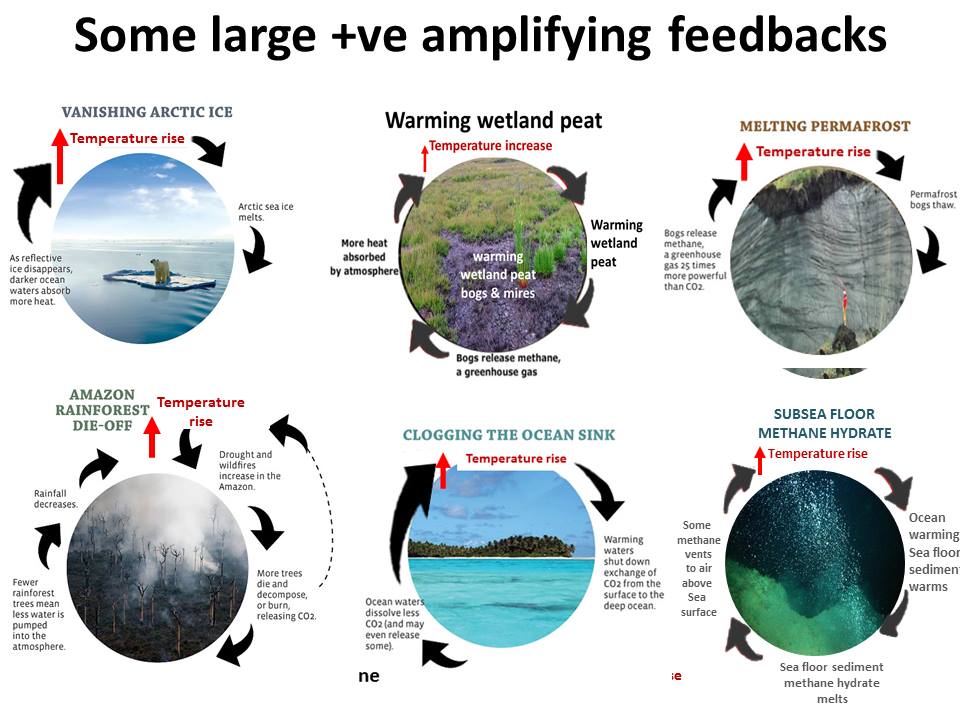
More on the much under reported methane risk here;
Arctic Methane Emergency Group
“Dr. Maria Salta, a biological oceanographer and lecturer in environmental microbiology in the School of Biological Sciences at the University of Portsmouth, echoed this dire outlook on the state of the oceans.””For shrimpers, 80 percent of everything caught is bycatch and thrown back for dead. It is a mode of mass marine extinction.”
“It is clear that if we continue like this, in a few years time, there is not going to be much left,” she told Truthout, speaking about the impacts of ACD, pollution and overfishing. “We are losing species every day without ever knowing about them. Sometimes humans can be like a plague to the environment.”
The rest of Dahr Jamails’ great article is embedded below;
Dahr Jamail | Global Fisheries Are Collapsing — What Happens When There Are No Fish Left?
Another case in point Neven Curlin from the Arctic Sea Ice Blog;
“But a problem was emerging — Curlin wasn’t just tracking the change, he was feeling it too. As he wrote in 2012, shortly after the record fell:….this stunning melting season has made me even more acutely aware of the gravity of what is taking place….To be able to watch and write about the Arctic sea ice, I used to block out the realisation of risks, so that I could make a joke here and there and be scientifically reticent in my own amateur way, keeping up appearances, acting objective.But my bubble has burst. I’m already watching past the minimum. As the melting season ends, it feels as if things are only beginning. The age of consequences.”
I highly recommend this podcast courtesy of Deb Ozarko speaking with Dahr Jamail;
Passion, Courage and truth: Reporting from Ground Zero with Dahr Jamail
From the excellent climate blogger Eric Holthaus;
“There are days where I literally can’t work. I’ll read a story & shut down for rest of the day. Not much helps besides exercise & time.”
On our recent NZ wide speaking tour Professor Guy McPherson and I spoke to audiences in university’s and public venues and a very important aspect of the tour was addressing the emotional response to our message as the cold hard reality of what we have collectively inflicted on the biosphere sunk into our audiences psyche. They were to a large degree already aware of the severity of the crisis but often feel isolated due to the grief denying culture many of us live in.
Most of the N.Z. presentations have been embedded below by my dear friend and colleague Wolfgang Werminghausen.
Schneller als gedacht / Faster than previously thought
From Professor McPherson’s website;
“I’ve received many requests for a workshop focused on emotions rather than evidence. Such a workshop is described here . It is available in your hometown and also in Belize.”
A number of Facebook groups have been established to help people come to terms with their grief for our afflicted biosphere. For the sake of brevity I have embedded a number below in no particular order. If joining please ensure you observe the philosophy of the groups and remember we are there to support each other in any way we can.
Much respect to the diligent, hard working admins.
Near Term Human Extinction Love
Near Term Human Extinction Support Group
Near Term Human Extinction Evidence group
Ruppert’s Restaurant Named after the late great Michael C Ruppert
My dear friend and colleague Pauline Schneider is in the process of editing a documentary based on footage shot on our recent NZ speaking tour. A Facebook page has been created with a short trailer embedded here;
Only Love Remains Dancing at the Edge of Extinction
To those of my many darling friends, especially my ‘Tribe’ on Rakino Island who often ask how I am feeling, chronicling the unraveling of the biosphere, I must quote my dear friend Professor Guy McPherson; “I have a long list of people I would like to see dead, my name isn’t on it”.
“At the edge of extinction, only love remains”. Be gentle with one another, starting with yourself.
Aroha Nui. Much love, be gentle.
K
I’m editing this blog on 13/03/22 to include this magnificent discussion on Grief from two of my closest friends on the planet;





 Kevin Hester